
An extremely rare George III Flower Guard/Cage made in London in 1797 by John Wakelin & Robert Garrard - From the Fauconberg & Conyers Collection.
An extremely rare George III Flower Guard/Cage made in London in 1797 by John Wakelin & Robert Garrard - From the Fauconberg & Conyers Collection.
375657
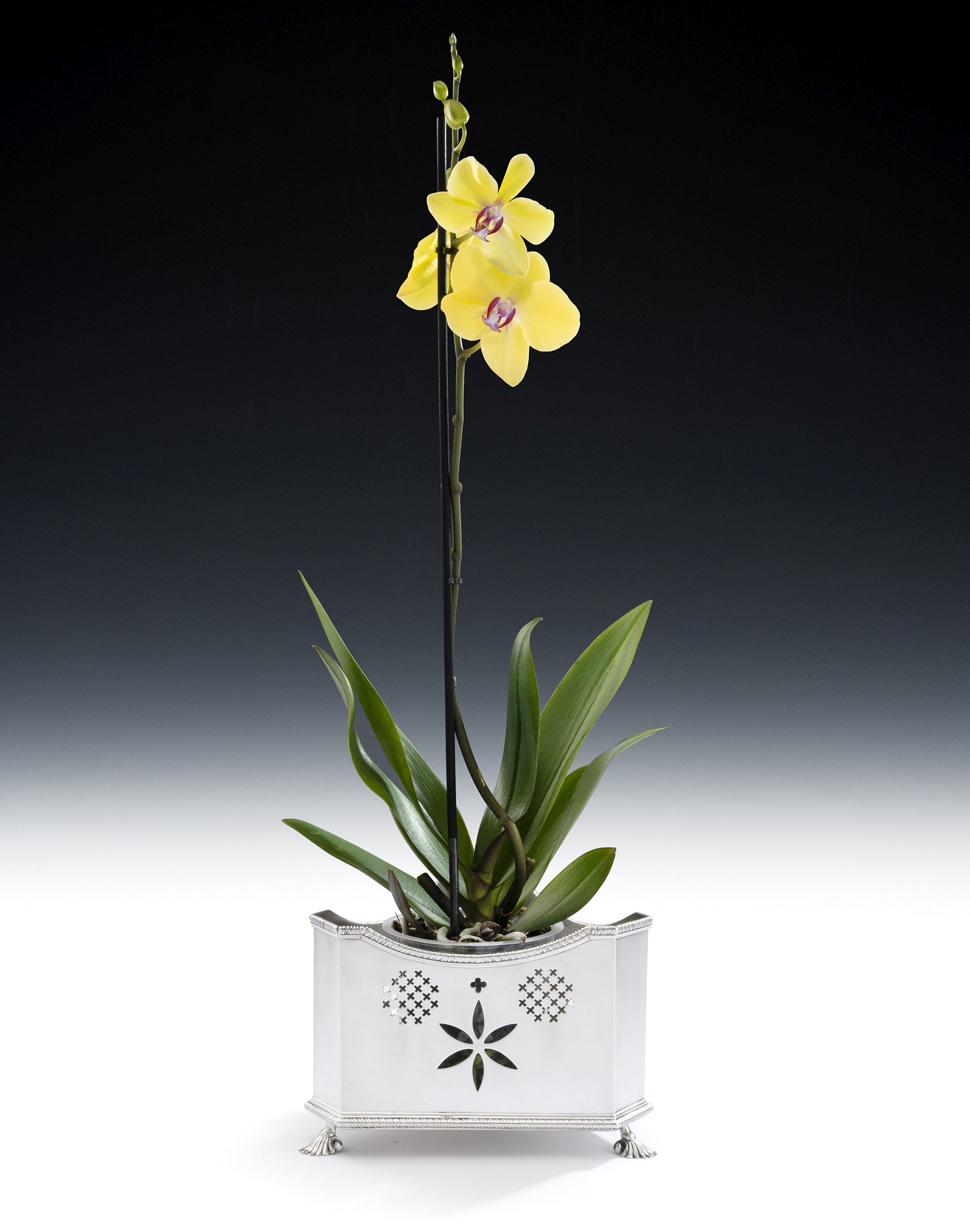
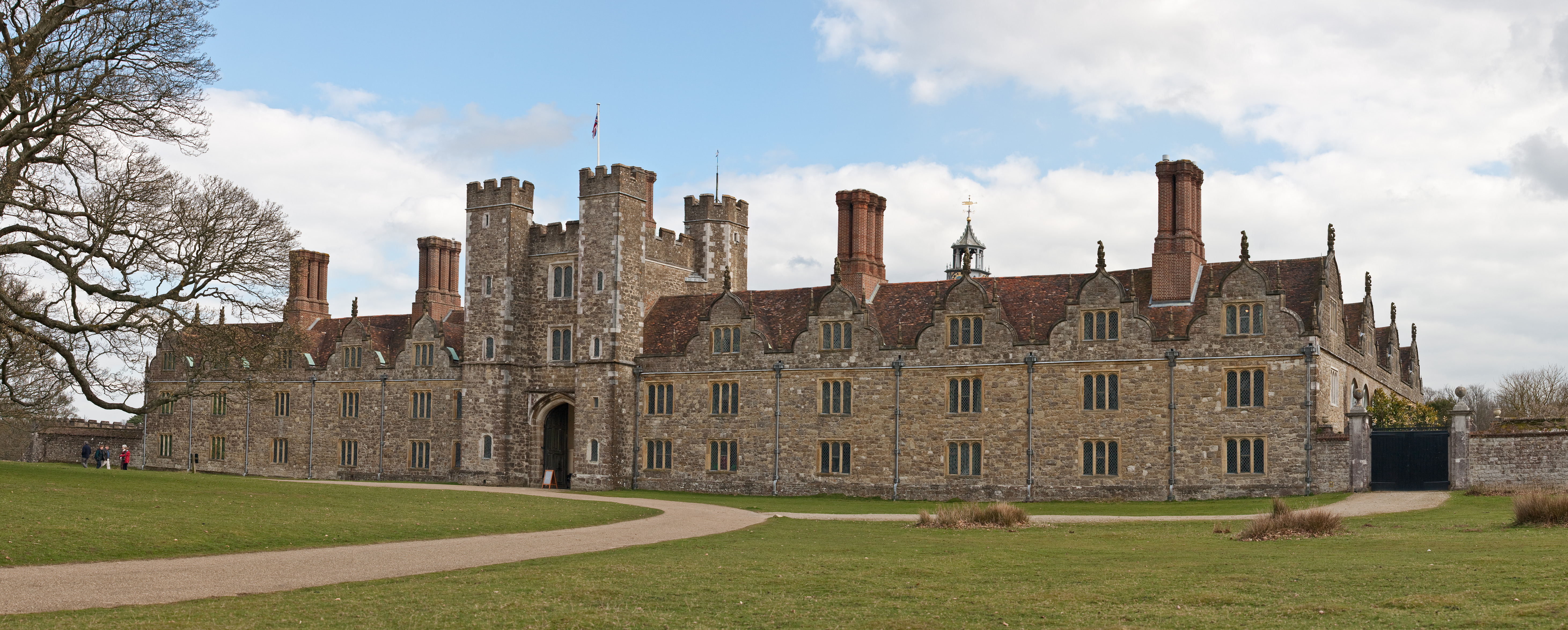
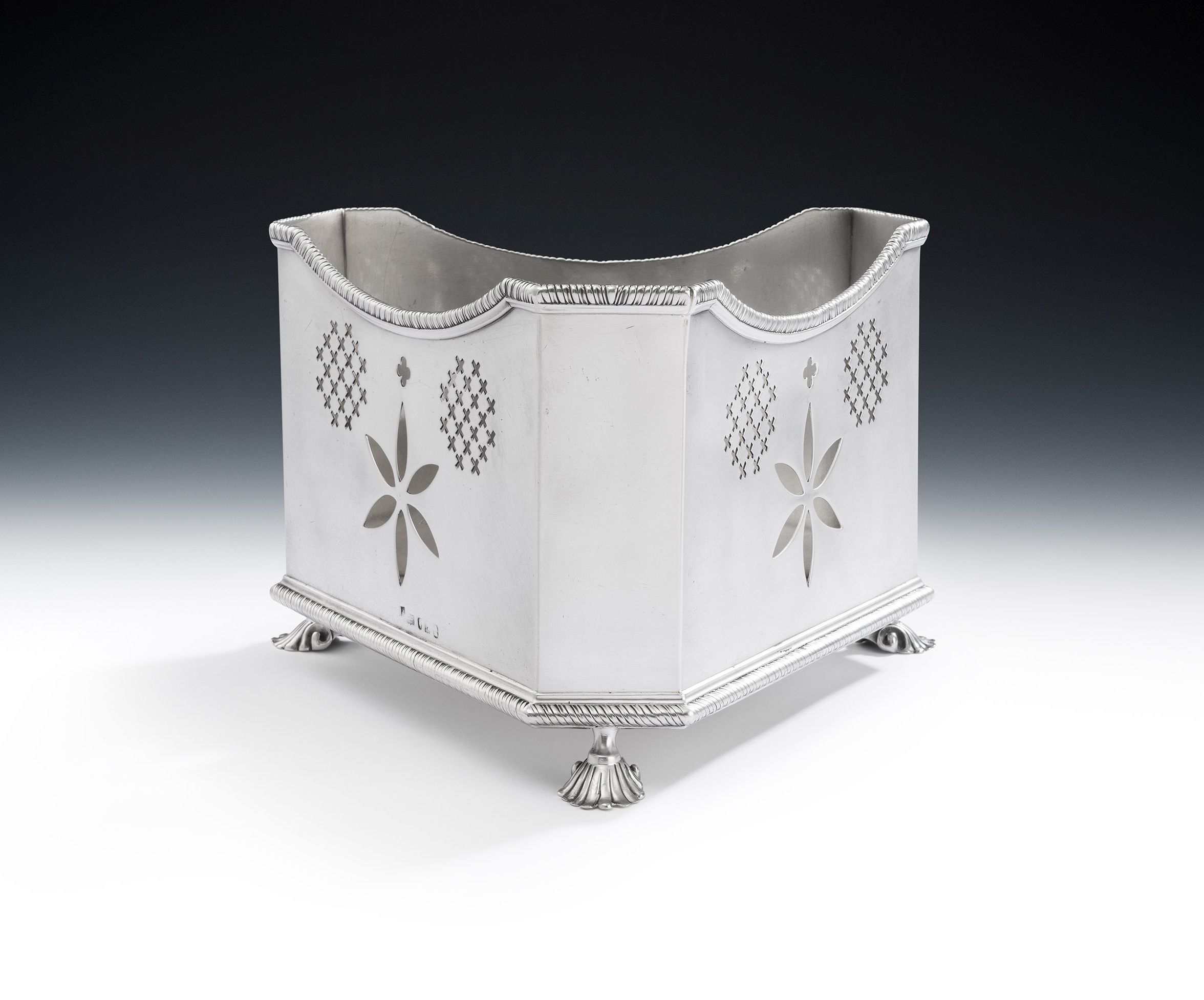
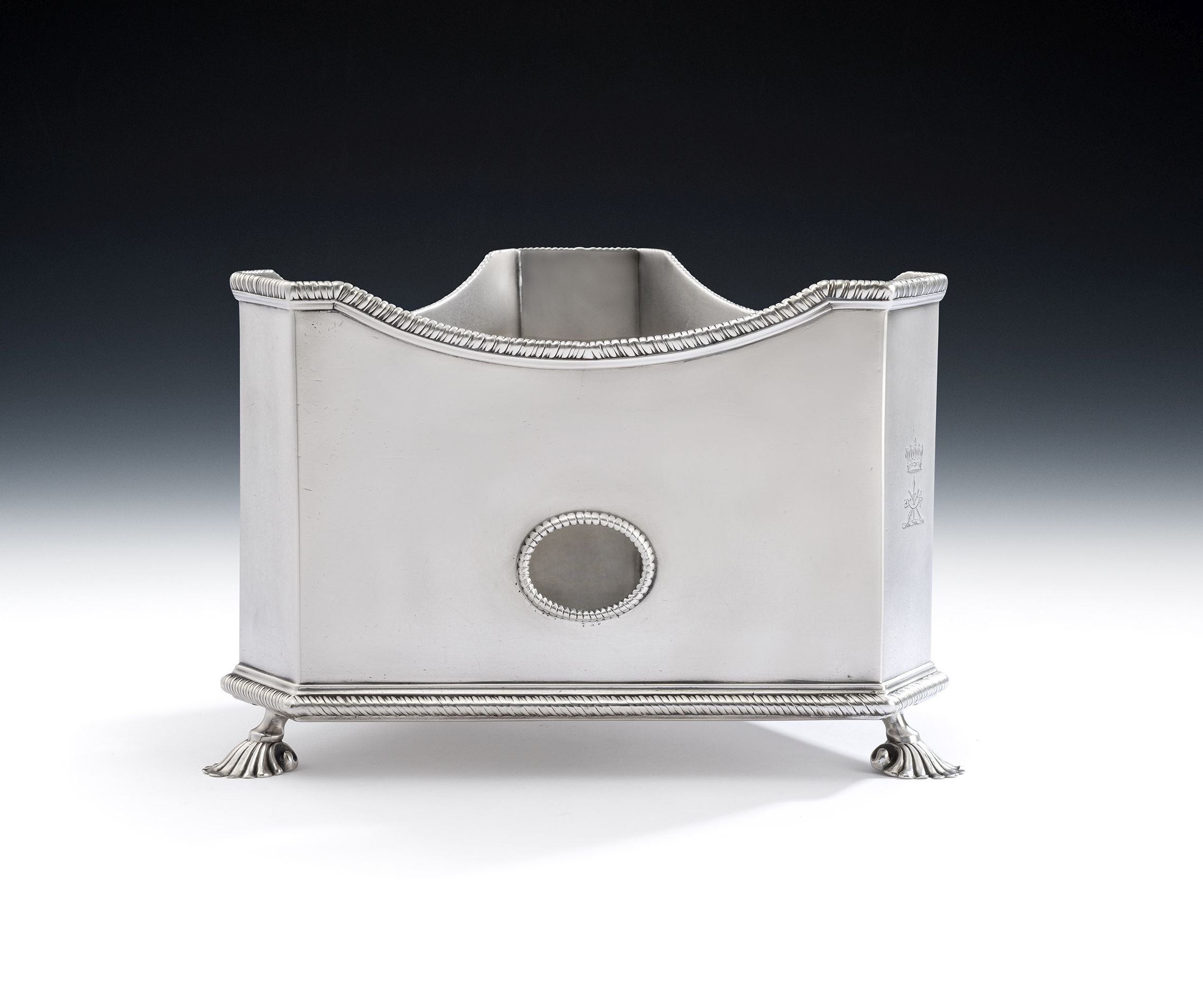
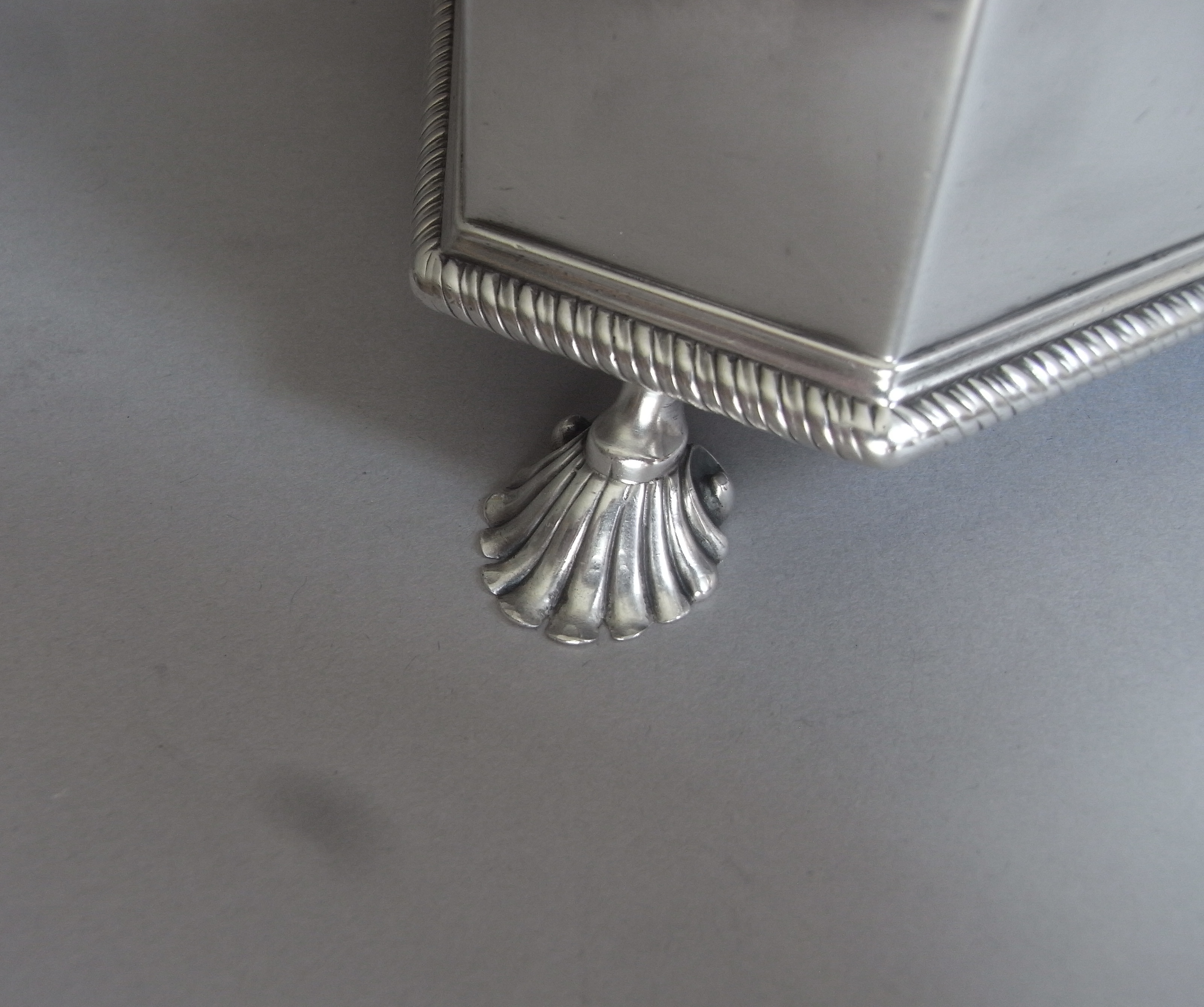
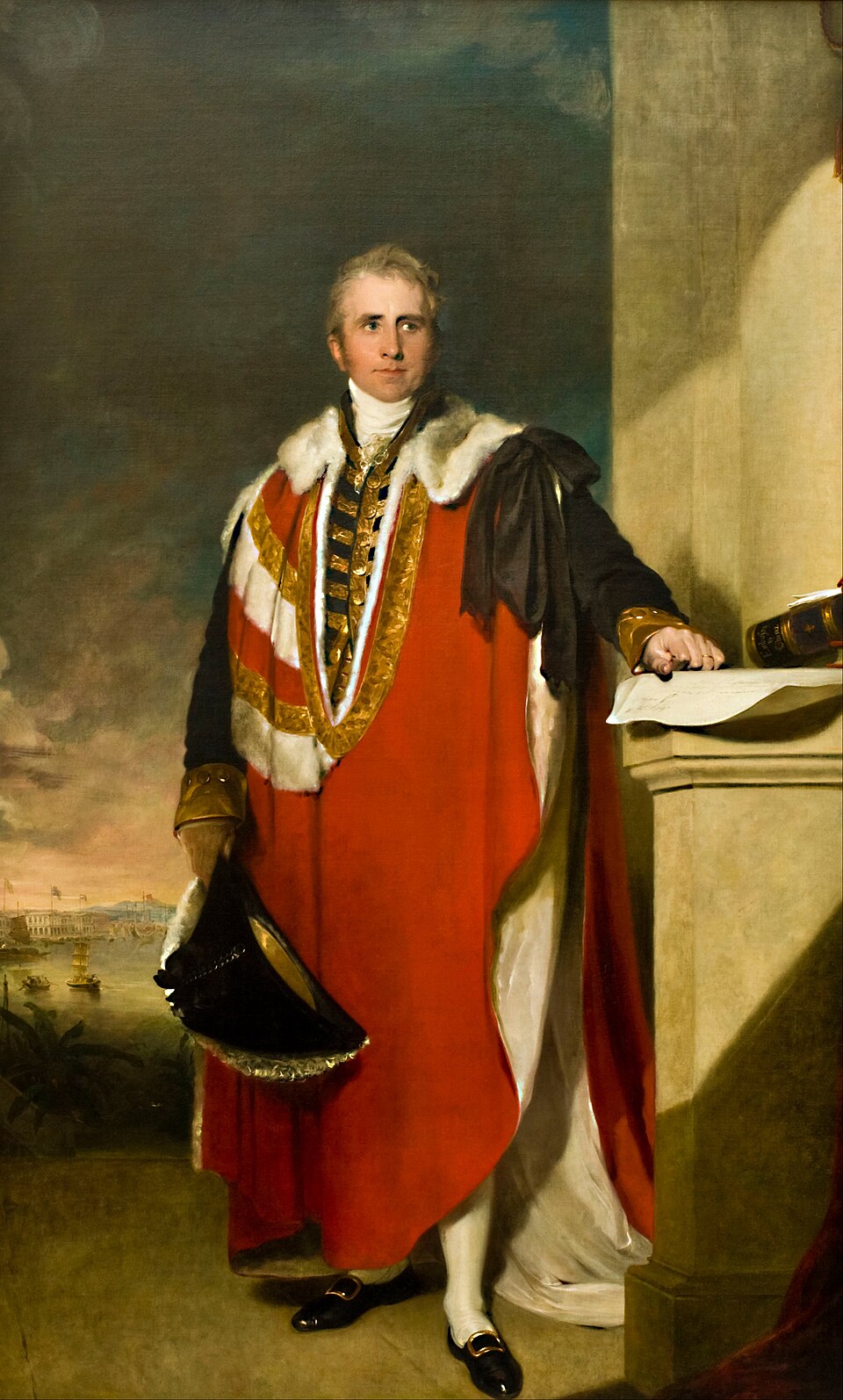
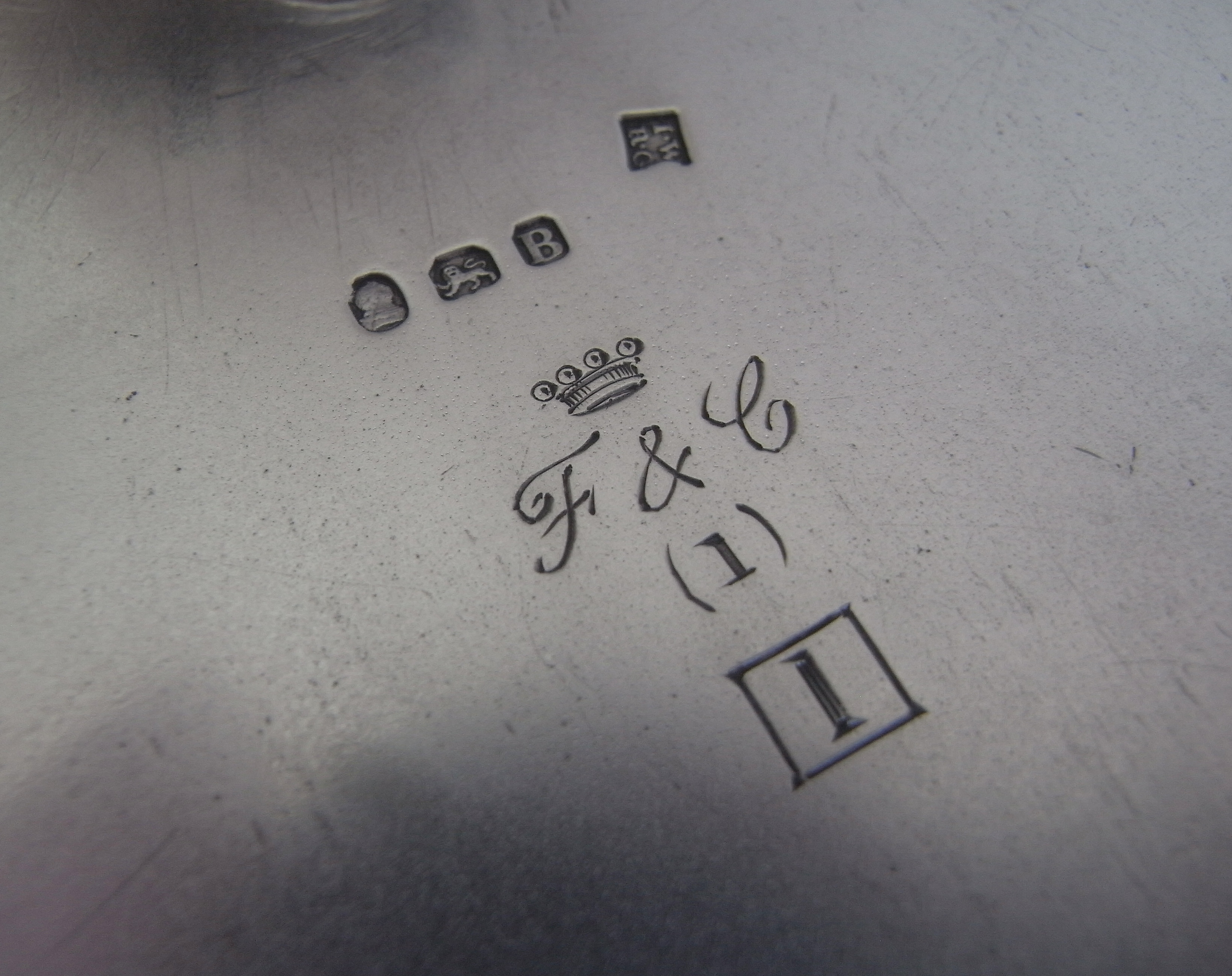
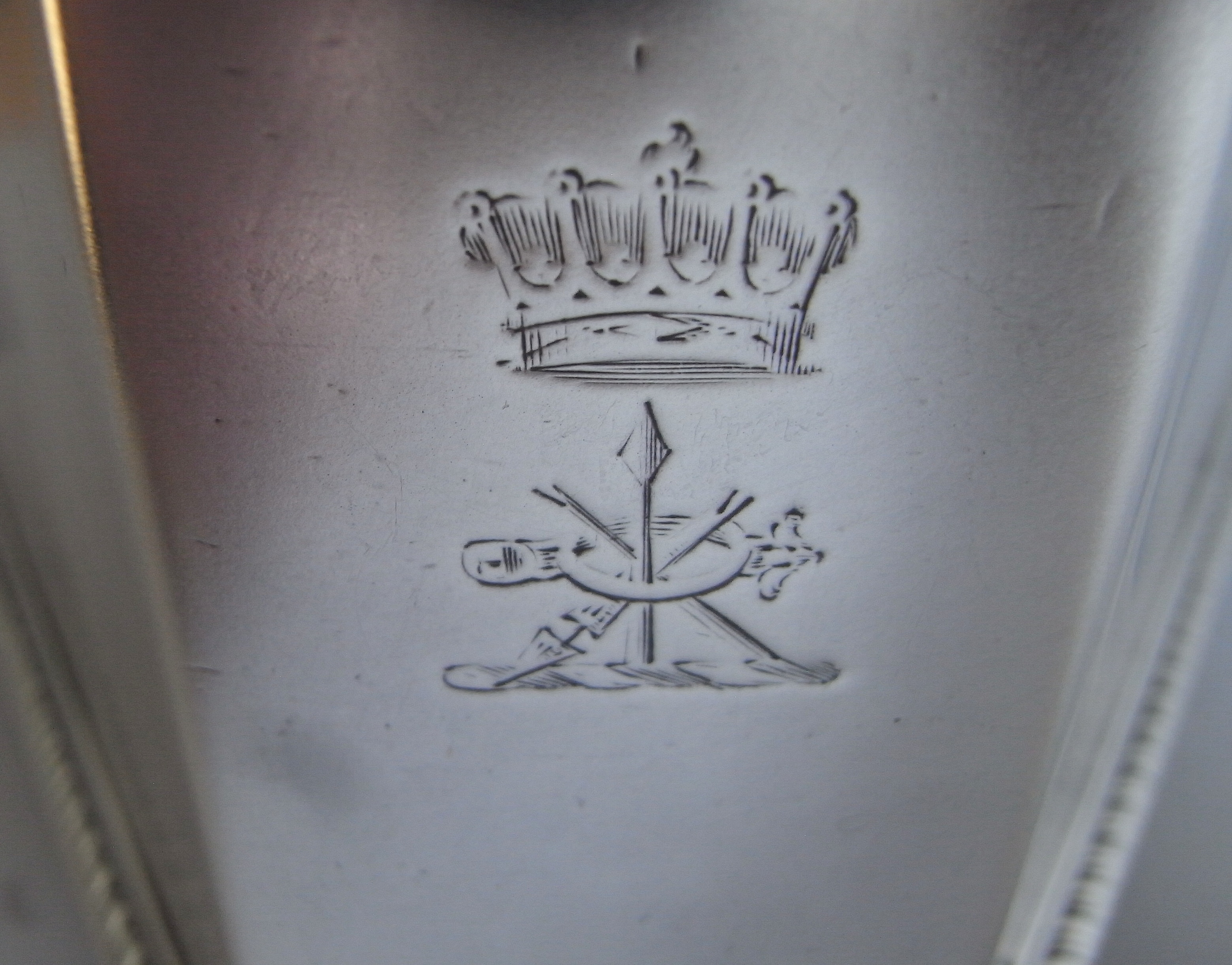
The cage stands on three cast raying shell feet and the main body has a triangular form with a gadrooned base and dipping rim. Two of the sides are pierced with a stylised flower head, with quatrefoil device above, and two roundels of crosses to each side. The third side is pierced with an oval, with a gadrooned frame. The stand is in excellent condition and is fully marked on the side and also on the base. The base is also engraved with the initials F & C, with a coronet above and inventory number below. This indicates that it was in the famous Fauconberg and Conyers collection and display the inventory number in the collection. This rare piece is of a beautiful design, is in excellent condition and is of a very good weight. It is the ideal design and size for containing a plant or floral display on the table. The side is also engraved with a Crest with the Coronet of an Earl above. The Crest is that of William Pitt Amherst (1773-1857), 1st Earl of Amherst. He was educated at Christchurch College, Oxford, BA 1793, MA 1797. Amherst was a British diplomat and colonial administrator who served as Governor-General of India (1823-1828). He is best known for overseeing the first Burmese War (1824-1826), which led to significant territorial gains for the British Empire. His Seat was Knole House in Kent, illustrated, where he died in 1857. His portrait, by Thomas Lawrence is also shown.
Height: 5.5 inches, 13.75 cm.
Length: 8 inches, 20cm.
Weight: 35oz.
WAKELIN & GARRARD
The Company that was to become Wakelin & Garrard was founded by George Wickes (1698-1761) who entered his mark at Goldsmiths' Hall in 1722. The Company moved to Panton Street, off Haymarket, in 1735, as a goldsmith and provider of jewellery and other luxury items to aristocratic patrons. Wickes was an accomplished silversmith who gained the patronage of Frederick, Prince of Wales. Two apprentices of Wickes, John Parker and Edward Wakelin, purchased the company following Wickes' retirement in 1760, replaced by John Wakelin and William Taylor in 1776. Following the death of Taylor, Robert Garrard became a partner in 1792. John Wakelin retired in 1802 and Garrard took sole control of the firm, being patronised by the Royal family. In 1843 Queen Victoria appointed Garrard as the first ever official Crown Jeweller, leading to the production of numerous pieces of silverware and jewellery for the Royal family, as well as the upkeep of the Crown Jewels.
BARONESS FAUCONBERG & CONYERS, COUNTESS OF YARBOROUGH, COLLECTION.
The initials F & C beneath a Baron's coronet are for Marcia Amelia Mary Lane-Fox, Baroness Fauconberg and Conyers, Countess of Yarborough (1863-1926). When the baronies were resurrected in 1903 by the Countess of Yarborough, an inventory of property was taken and the initials were applied. Baroness Fauconberg and Conyers, Countess of Yarborough married Charles Alfred Worsley Anderson Pelham, 4th Earl of Yarborough, also Baron Worsley (1859-1935), in 1886. The eldest daughter of Sackville George Lane-Fox, 12th Baron Conyers and Mary Curteis, she was 13th Baroness Conyers and Baroness Fauconberg in her own right.
RELATED ITEMS










, 1st Earl of Amherst. He was educated at Christchurch College, Oxford, BA 1793, MA 1797. Amherst was a British diplomat and colonial administrator who served as Governor-General of India (1823-1828). He is best known for overseeing the first Burmese War (1824-1826), which led to significant territorial gains for the British Empire. His Seat was Knole House in Kent, illustrated, where he died in 1857. His portrait, by Thomas Lawrence is also shown. Height: 5.5 inches, 13.75 cm.Length: 8 inches, 20cm.Weight: 35oz.WAKELIN & GARRARDThe Company that was to become Wakelin & Garrard was founded by George Wickes (1698-1761) who entered his mark at Goldsmiths' Hall in 1722. The Company moved to Panton Street, off Haymarket, in 1735, as a goldsmith and provider of jewellery and other luxury items to aristocratic patrons. Wickes was an accomplished silversmith who gained the patronage of Frederick, Prince of Wales. Two apprentices of Wickes, John Parker and Edward Wakelin, purchased the company following Wickes' retirement in 1760, replaced by John Wakelin and William Taylor in 1776. Following the death of Taylor, Robert Garrard became a partner in 1792. John Wakelin retired in 1802 and Garrard took sole control of the firm, being patronised by the Royal family. In 1843 Queen Victoria appointed Garrard as the first ever official Crown Jeweller, leading to the production of numerous pieces of silverware and jewellery for the Royal family, as well as the upkeep of the Crown Jewels.BARONESS FAUCONBERG & CONYERS, COUNTESS OF YARBOROUGH, COLLECTION.The initials F & C beneath a Baron's coronet are for Marcia Amelia Mary Lane-Fox, Baroness Fauconberg and Conyers, Countess of Yarborough (1863-1926). When the baronies were resurrected in 1903 by the Countess of Yarborough, an inventory of property was taken and the initials were applied. Baroness Fauconberg and Conyers, Countess of Yarborough married Charles Alfred Worsley Anderson Pelham, 4th Earl of Yarborough, also Baron Worsley (1859-1935), in 1886. The eldest daughter of Sackville George Lane-Fox, 12th Baron Conyers and Mary Curteis, she was 13th Baroness Conyers and Baroness Fauconberg in her own right. )